

Travel Packing List
After years of travelling between Canada and Sri Lanka, I’ve developed a packing list built from experience, trial and error, and a few things I learned the hard way. What started as a tiny 2 × 2 inch green sticky note inside my toiletry bag has now become this detailed 30-day travel checklist—so I won’t lose it again, and hopefully it will help other travellers pack smarter too.
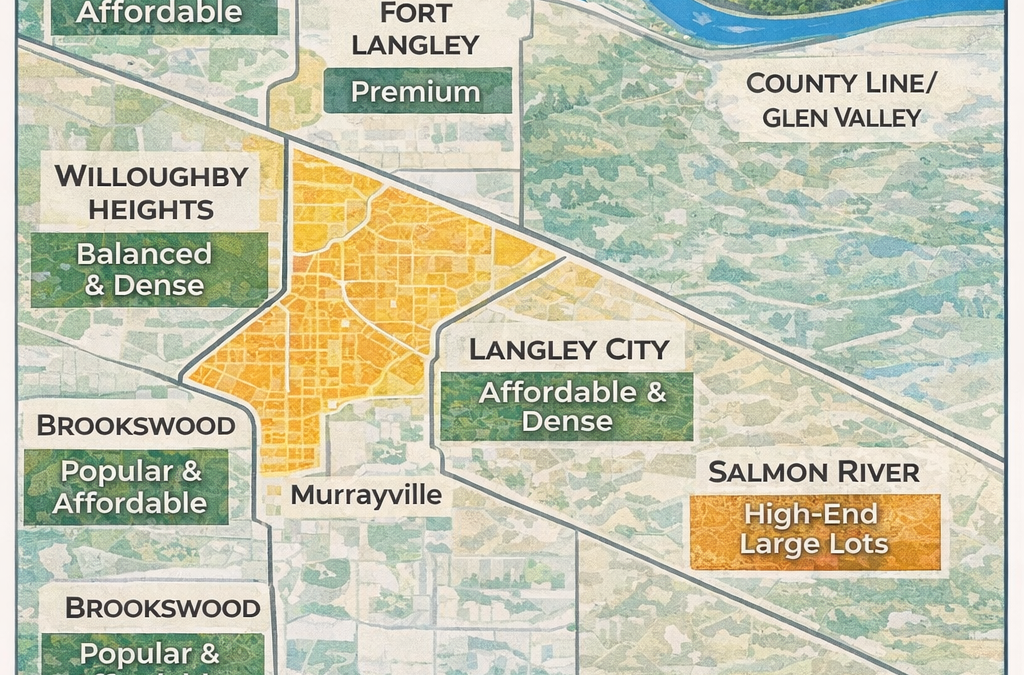
Langley – Real Estate and Area Research
Langley is no longer just the space between Surrey and Abbotsford — it has become one of the Fraser Valley’s most strategic real estate markets. Split between the compact **City of Langley** and the rapidly growing Township of Langley, the area offers everything from affordable starter homes and family-friendly neighborhoods like Willoughby Heights to luxury acreages in Campbell Valley and the historic charm of Fort Langley. With SkyTrain expansion on the horizon, rising density, and strong demand from young families, Langley is evolving quickly — making location choice more important than ever for buyers and investors alike.
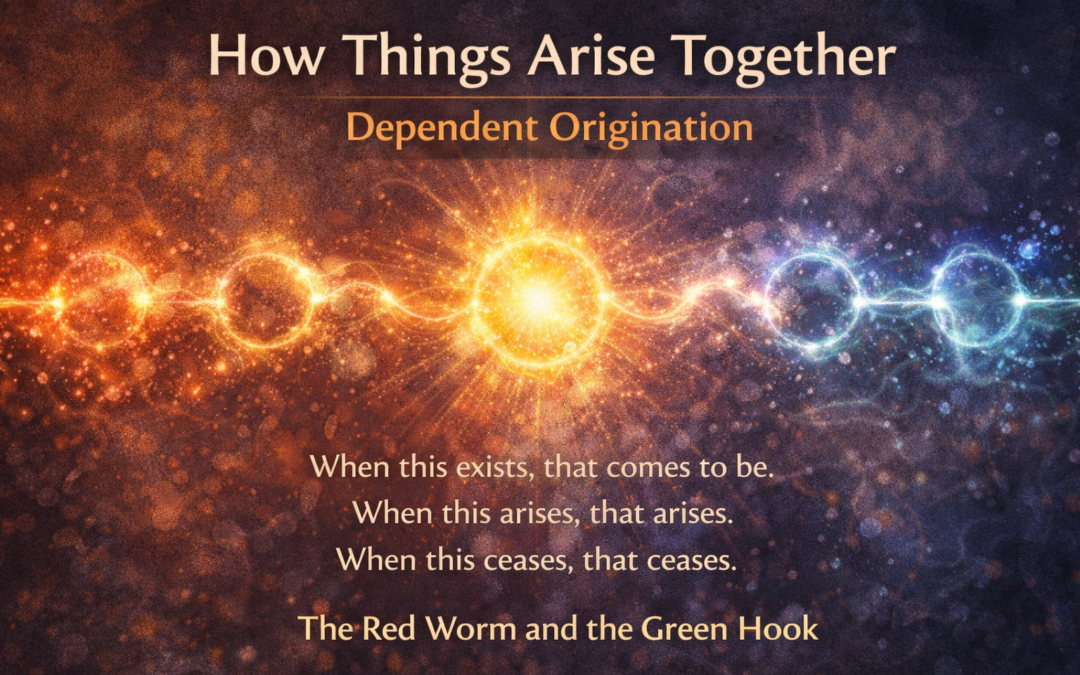
Concept 13 – Dependent Origination (පටිච්චසමුප්පාදය)
Dependent Origination (Paṭicca Samuppāda) is not a theory about the past or future—it is a living process happening right now. This post explores how suffering arises and how it can cease.
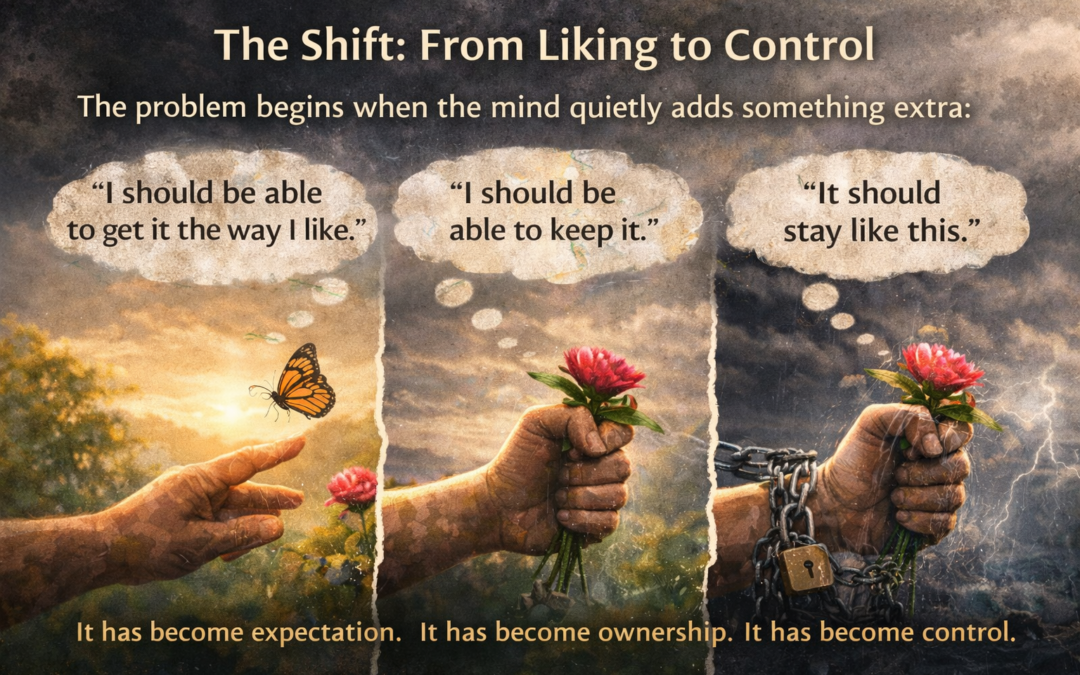
Concept 12 – From “I Like It” to “I Must Have It My Way” – The Hidden Suffering Behind Desire
Is liking something the same as wanting it exactly the way we wish? This post explores the subtle but powerful difference between simple preference and the craving for control—and how that difference leads to Arya Dukkha
Journal
Welcome to my space—a collection of thoughts, experiences, and lessons gathered along the way.
This blog brings together my professional life in
data engineering, analytics, AI, and data pipelines
with the everyday interests that keep me curious and grounded.
You’ll find reflections on learning and problem-solving,
alongside posts about hiking, travel, gardening, cooking, movies, and hobbies
that shape my perspective beyond the screen.
I also write about practical, real-world topics such as
tenancy, rentals, short-term accommodations, and the housing market,
informed by observation, research, and lived experience.
Whether I’m exploring a trail, building a data workflow, or analyzing systems that impact daily life,
my goal is the same: to share insights that are thoughtful, practical, and useful.
This blog is both a journal and a knowledge hub—where technology meets life,
and learning never stops.

The Empress (Di Kiseren)
Beneath the splendor of The Empress lies a quiet meditation on love, duty, and the cost of power. Franz dreams not of conquest, but of a simple life teaching his children to fish, while Sissi teaches them to ride-revealing how happiness remains rooted in simplicity. The series questions inherited duty through war, faith, and empire, asking whether lives must be sacrificed for systems larger than ourselves. Through Elisabeth, leadership is redefined as light rather than control: the responsibility to offer direction and hope in dark times. In choosing humanity over hierarchy, the series finds its deepest truth.

Change of Perspective
There are number of good non English movies and TV series that can change the way any one think and look at this world and life in it. Here are some of my favorites.

The Medici as a Blueprint for Data-Driven Futures
History has always been a lens for understanding the present, but for me it has become something more: a blueprint for designing better systems. As someone who works in data analytics and data engineering, I see striking parallels between Renaissance Florence and modern data platforms, especially when watching Medici: Masters of Florence and Medici: The Magnificent.
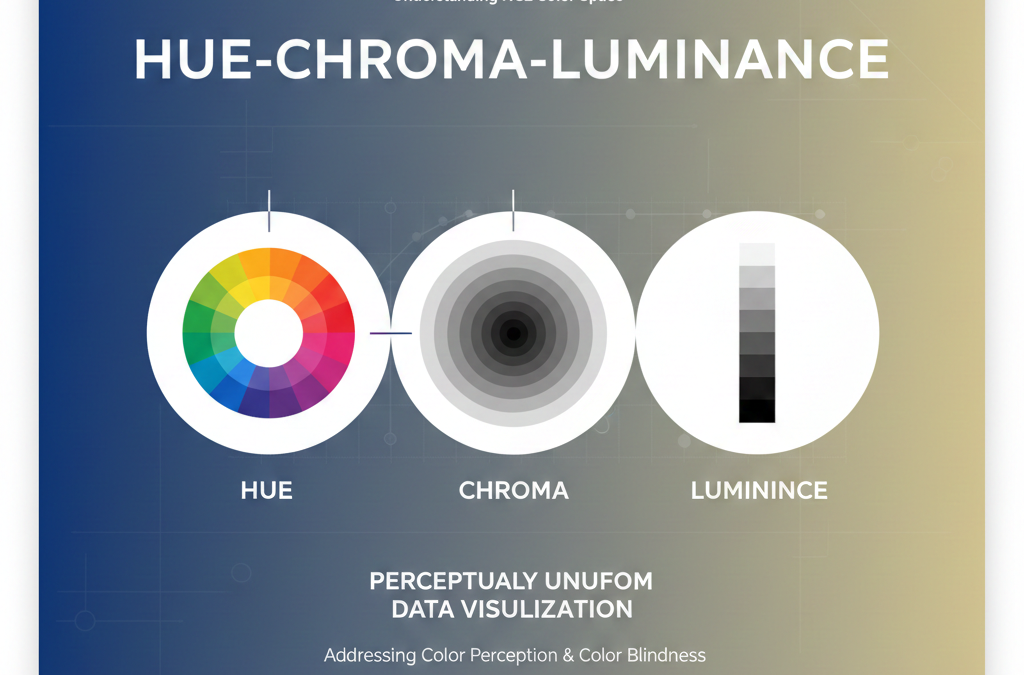
Mastering Color for Data: Why the HCL Color Space is the Gold Standard
In the world of data visualization, color is more than just an aesthetic choice—it’s a communication tool. However, common color models like RGB and HSL often fail us because they aren’t “perceptually uniform.” This means that while the math behind the colors is consistent, our human eyes perceive some transitions as harsher or brighter than others, potentially leading to misinterpretation or accessibility issues for those with color blindness.
Enter the HCL (Hue-Chroma-Luminance) color space. Unlike its predecessors, HCL is designed specifically to align with human visual perception. By separating color into Hue (the tint), Chroma (the intensity), and Luminance (the perceived brightness), HCL allows designers to create palettes where every step is visually equal. This ensures that your charts remain readable, professional, and accessible.
Whether you’re building complex heatmaps or simple bar charts, switching to an HCL-based workflow is the most effective way to ensure your data is seen—and understood—exactly as you intended. Stop letting “bad math” distort your data and start using a color space built for the human eye.

When Numbers Lie: How Inaccurate Data Visualizations Create False Optimization Narratives
Data visualization is not just about presenting numbers. It is about shaping understanding. The words we attach to charts and figures can completely change how an audience interprets value, performance, and opportunity.

Data Governance in Action: Tidbits from My Workday
Data governance ensures that an organization’s data is accurate, secure, and trustworthy. By defining clear roles, policies, and processes, it helps businesses manage data effectively, comply with regulations, and make informed decisions. In this post, I share tidbits from my daily work life, showing how practical data governance practices turn raw data into a reliable asset for smarter business outcomes.

Late life asset erosion
Late life asset erosion is emerging as one of the most serious financial risks facing Canadian seniors, as rising care and housing costs collide with fixed incomes and longer lifespans. For many middle‑class families, the “retirement plan” built around a paid‑off home and modest savings is no longer enough to withstand a decade or more of elevated expenses in very old age.

Is Pleasure the Measure of Life? Hedonism Through Eastern Philosophy
Hedonism views life through the lens of pleasure, treating satisfaction and enjoyment as the highest compass for meaning. From existentialist thought to utilitarian ethics, pleasure is often assumed to define a life well lived. Buddhism challenges this assumption—not by rejecting pleasure, but by examining attachment to it. By distinguishing levels of pleasure, from sensory enjoyment to dhyanic absorption and liberation, this essay explores where hedonism succeeds, where it fails, and why freedom is found not in pleasure itself, but in how we relate to it.

No One Likes You Naked: Samsara, Projection, and Self-Saving
“No one likes you naked” is a quiet truth at the heart of samsaric suffering. What the world rewards is not who we are, but what we emit—crafted identities, agreeable projections, performances shaped for acceptance. While we struggle to preserve these images, nature moves in chaos, undoing every construction. This resistance creates dukkha. The Buddhist path does not ask us to perfect the mask, but to see through it. Liberation begins not by pleasing others, but by saving oneself from endless becoming.
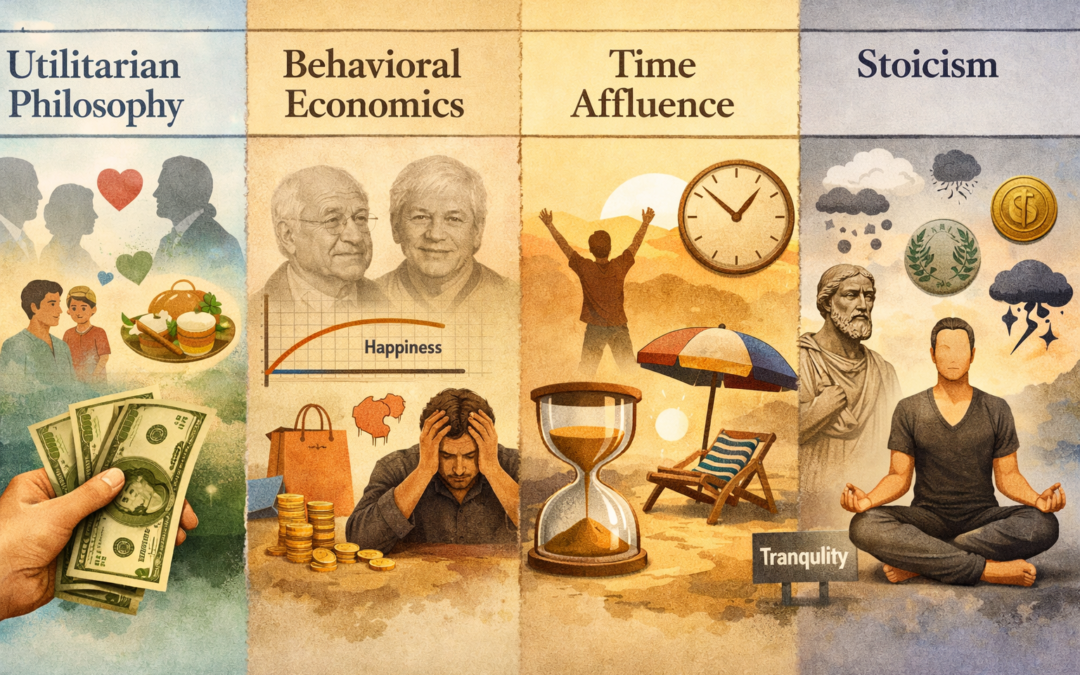
The Utilitarian Way of Thinking About Money and Happiness
The Utilitarian way of thinking questions “how can I use my resources to create the maximum amount of “utility” (well-being or happiness) for the greatest number of people?”
In this framework, money is not a goal or a status symbol; it is a tool for impact.
Join My Newsletter
Phone
(604) 256-2432
Surrey BC, Canada