
Exiting
The journey of “exiting worldly existence” is at the heart of Buddhist thought, yet it is often misunderstood. It is not an escape from life, nor a desire for death, but a mindful loosening of attachments that bind the mind to suffering. Every day, our hearts and senses cling to fleeting pleasures, relationships, and achievements, unaware that true peace lies beyond the pull of impermanence.
In Buddhism, this path is guided by awareness, wisdom, and ethical living. It invites reflection on the nature of craving, aversion, and the illusions of self. By observing the mind, cultivating detachment, and nurturing compassion, one gradually experiences the freedom that comes from letting go.
This page explores the many facets of exiting worldly existence–its philosophy, practices, and reflections—through stories, teachings, and insights into the journey toward Nibbāna. Here, you will find guidance on understanding impermanence, embracing mindfulness, and awakening to a state of profound inner freedom. Each post is a step along the path, illuminating how liberation is not an end, but a transformation of the heart while fully living.
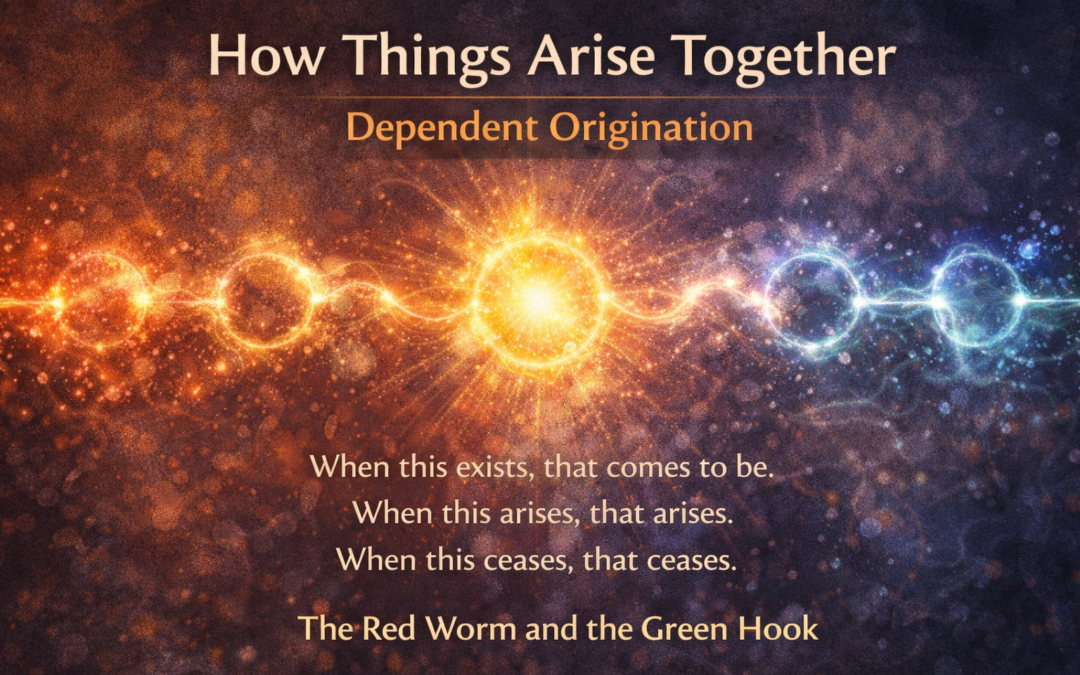
Dependent Origination (පටිච්චසමුප්පාදය)
Dependent Origination (Paṭicca Samuppāda) is not a theory about the past or future—it is a living process happening right now. This post explores how suffering arises and how it can cease.
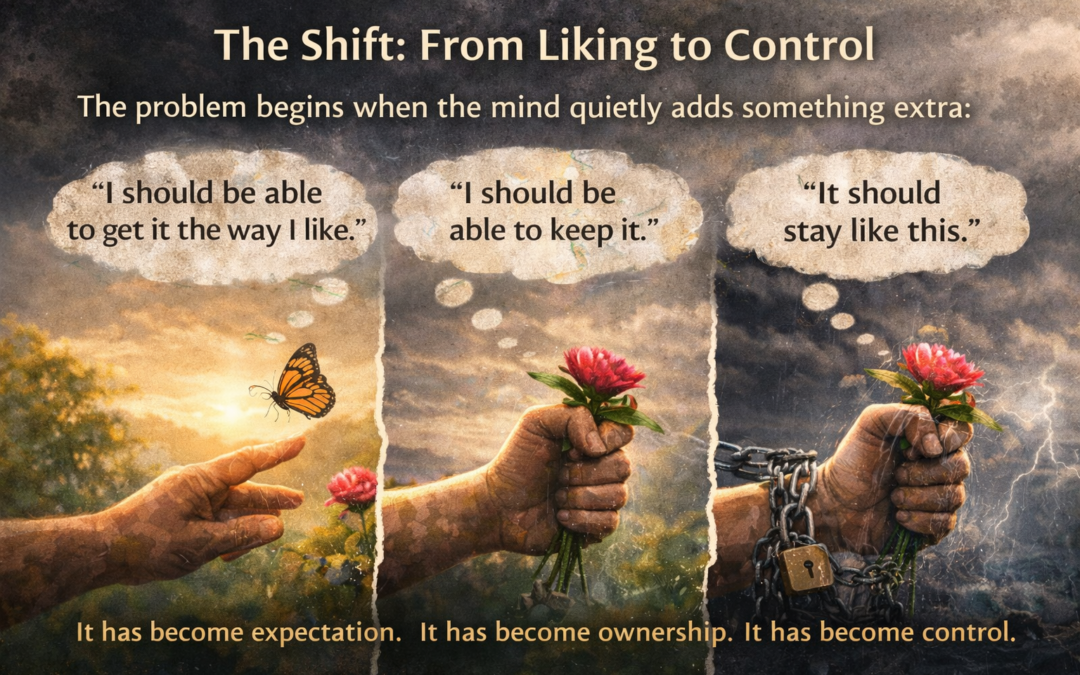
From “I Like It” to “I Must Have It My Way” – The Hidden Suffering Behind Desire
Is liking something the same as wanting it exactly the way we wish? This post explores the subtle but powerful difference between simple preference and the craving for control—and how that difference leads to Arya Dukkha
Dukka (the Rain) – Concepts on understanding Buddhas description on Arya Dukka (Noble Suffering)
Dukka (the Rain) Concepts on understanding DukkaTime Stamps for Dhamms sermon in Sinhala 23:28 බාන.29:14 කලින් හැදුනේ..31:13 පැටලුම44:00 Nose47:03 ස්පර්ශ වෙනකොට එකමදේ සැපත් දුකත් වේ.50:44 සීත රස්නය52:36 අරමුණු වෙනස් කිරීමේ ක්රමය57:00 වෙලාව1:01:00 මෙහම නොවුනා නම්.....

Concept 6 – Not everything is Rain (Arya Dukka)
Not everything we experience is Arya Dukkha. Most of daily life consists of simple water drops; pleasant or unpleasant moments that arise and pass away on their own. Liking or disliking something, feeling happy or sad, eating, traveling, getting sick, or being late are not, by themselves, the rain. Arya Dukkha begins only when the mind insists, _“I can get this the way I wish it should be.”_ At that moment, reality is no longer allowed to be as it is, and ordinary experience is burdened with expectation. Understanding this distinction prevents us from mistaking life itself for suffering and points directly to where suffering truly begins.

Concept 5 – Wrong Effort, Wrong Results: The Cow, the Milk, and Human Suffering
We often confuse effort with correctness and expectation with causation. When outcomes fail to appear, frustration follows quickly, as if reality betrayed us. But the problem is rarely effort or belief. It is alignment.
Pulling a cow’s horns will never produce milk, no matter how hopeful, angry, or detached you feel. Expectation does not create results, and disappointment does not negate reality. Milk comes from udders because that is how the system works.
Suffering begins when we argue with cause and effect. We get angry at outcomes, proud of instabilities, and confused when reality refuses to cooperate with our inner narratives. Understanding where results actually come from dissolves blame, pride, and frustration. Wisdom is not about forcing detachment but about seeing clearly. When action aligns with reality, results follow quietly, without drama.

Concept 4: Understand Arya Dukkha and Eliminate It
Arya Dukkha does not arise from events themselves, but from the belief that things should or should not have happened in a particular way. The unavoidable experiences of life are like two falling water drops—brief, limited, and manageable. Suffering begins when those drops turn into rain through expectation, resistance, and craving. Honking traffic, abundant food, a lost possession, or even a dog chewing a meatless bone are not the true causes of distress. The real suffering comes from believing that relief, happiness, or satisfaction must arise from these conditions. Understanding this distinction is not mere intellectual clarity; it is a practical step toward ending suffering at its root.

Concept 3: We Cannot Manufacture Happiness or Sadness by Thinking or Wishing
We often believe happiness can be created by thinking happy thoughts, and sadness avoided by suppressing painful ones. But thinking only offers temporary shifts, not lasting change. Pleasant or unpleasant thoughts are like dodging raindrops—they may help for a moment, but they do not stop the rain. Understanding that lasting happiness or sadness cannot be manufactured by thought alone is not discouraging; it is liberating. This clarity marks a decisive step toward seeing things as they truly are.

Concept 2: No Escape From Two Water Drops, But You Can Escape the Rain
You Cannot Escape Two Water Drops, But You Can Escape the Rain Concept 2The two water drops represent unavoidable forms of dukkha that arise as long as there is a body and a mind. As long as physical form and mental activity exist, some degree of discomfort, pain, or...
Concept 1: Repetition Does Not End Desire
Repeating pleasures never ends craving. Happiness arises from past wholesome actions, sorrow from past unwholesome ones. Drinking, eating, or indulgence again and again cannot bring lasting satisfaction. True peace comes from awareness, not repetition.
Exiting the worldly Existence
Exiting worldly existence is a profound and layered concept that spans physical life, mental conditioning, and spiritual understanding. In the context of Nibbāna, it does not mean fleeing the world, but loosening one’s attachment to it. It arises from a deep longing for peace, clarity, and freedom from suffering.
This path involves recognizing the limits of material pursuits, understanding the emotional turbulence created by craving and aversion, and gradually cultivating detachment through wisdom and mindfulness. Rather than an abrupt departure, it is an inward journey–one that prepares the mind to transcend fear, impermanence, and ultimately the illusion of a fixed self. Exiting worldly existence, in this sense, is not about death, but about awakening while living.
No Results Found
The page you requested could not be found. Try refining your search, or use the navigation above to locate the post.
No Results Found
The page you requested could not be found. Try refining your search, or use the navigation above to locate the post.
Join My Newsletter
Phone
(604) 256-2432
Surrey BC, Canada